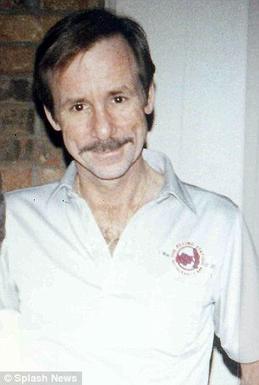
Ron Woodroof's Journey: Dallas Buyers Club and the Quest for Life
The year is 1985. The place: Texas. A time when AIDS was a terrifying, misunderstood plague, shrouded in fear, ignorance, and prejudice. It’s against this grim backdrop that the extraordinary, raw, and ultimately inspiring journey of Ron Woodroof unfolds – a story vividly brought to life in the critically acclaimed film,
Dallas Buyers Club. Far more than just a medical drama, the movie delves into the depths of human resilience, the fight for dignity, and the transformative power of a desperate quest for survival. At its heart lies the powerful
Dallas Buyers Club wahre Geschichte, a testament to one man's refusal to be silenced, even when facing a death sentence.
The Unlikely Hero: Ron Woodroof's Awakening
Matthew McConaughey's Oscar-winning portrayal introduces us to Ron Woodroof as a quintessential Texas "good old boy" – a rodeo-loving, hard-drinking, and openly homophobic electrician. His life is steeped in the casual prejudices and macho bravado of his surroundings. Then comes the bombshell diagnosis: HIV positive, with full-blown AIDS, and a prognosis of just 30 days to live. This brutal reality shatters his world, not only physically but also socially, as he faces immediate ostracization from his community, mirroring the pervasive fear and misunderstanding surrounding AIDS in the 1980s.
For a man accustomed to riding bulls and living life on his own terms, quietly succumbing was simply not an option. Ron's initial denial quickly transforms into a burning defiance. He refuses to accept the meager, often ineffective, and heavily restricted treatments available through official channels. The prevailing medical landscape in the US at the time was dominated by AZT, a drug with severe side effects and limited efficacy, often administered in dosages that proved toxic. This dire situation sparks Ron's desperate search for alternative medicine, leading him down a path that would change not only his life but also the lives of countless others. His journey from a self-absorbed individual to an unlikely activist forms the core emotional arc of the film and
Dallas Buyers Club: Ron Woodroof's True Story of AIDS & Activism.
Founding the Dallas Buyers Club: A Fight for Survival and Dignity
Ron's relentless pursuit of better treatment leads him across the border to Mexico, where he discovers unapproved but effective antiviral medications and immune-boosting therapies. These treatments, while not a cure, offered hope and significantly improved the quality and length of his life. However, these life-saving drugs were considered illegal in the United States by the Food and Drug Administration (FDA), which maintained strict control over what medications could be sold or imported. This regulatory hurdle ignited Woodroof’s legendary "kleinkrieg" – a small war against the powerful establishment.
Recognizing a loophole in the law – individuals could import unapproved drugs for personal use if they weren't for sale – Ron devises a plan. He establishes the "Dallas Buyers Club," a members-only organization where individuals with AIDS could pay a monthly fee to receive a supply of these vital, unapproved medications. This wasn't about making a profit; it was about survival. The club quickly became a lifeline for the marginalized, offering hope and extending lives in an era defined by despair.
A pivotal relationship within the film, and a crucial part of the
Dallas Buyers Club wahre Geschichte, is Ron's partnership with Rayon, a transgender woman also suffering from AIDS, brilliantly portrayed by Jared Leto, who also earned an Oscar for his role. Initially, Ron's ingrained homophobia makes him wary, even hostile, towards Rayon. However, their shared struggle for survival against a common enemy – AIDS and an indifferent system – forges an unlikely bond. Rayon, with her understanding of the LGBTQ+ community, helps Ron expand the club's reach to a demographic he once scorned, forcing him to confront and overcome his own prejudices. Their evolving friendship highlights the devastating, indiscriminate nature of AIDS and the power of empathy in the face of adversity. This collaboration underscores the complex social dynamics of the
The Real Fight: Dallas Buyers Club and the 1980s AIDS Crisis.
Beyond the Screen: The True Story's Impact and Legacy
The film, while taking some creative liberties for dramatic effect, largely adheres to the core facts of Ron Woodroof's life and his activism. The real Ron Woodroof lived for seven years after his diagnosis, far exceeding the 30-day prognosis, a testament to his tenacity and the efficacy of the alternative treatments he championed. His fight wasn't just for himself; it became a broader battle for patient rights, access to experimental treatments, and challenging the bureaucratic hurdles that often stand between patients and life-saving care.
The performances of Matthew McConaughey and Jared Leto were instrumental in bringing this story to a global audience. Both actors underwent significant physical transformations, losing drastic amounts of weight to authentically portray the ravages of AIDS. Their dedication not only garnered critical acclaim and Academy Awards but also lent immense credibility and emotional weight to the narrative, ensuring the film resonated deeply with viewers. This commitment underscored the gravity of the
Dallas Buyers Club wahre Geschichte.
The legacy of the Dallas Buyers Club extends far beyond the film's success. It serves as a stark reminder of the devastating impact of the AIDS crisis in the 1980s – a period marked by widespread fear, government inaction, and a desperate search for answers. Woodroof’s actions, alongside other patient advocates and underground networks, played a significant role in pushing for faster drug approval processes and greater patient autonomy in treatment choices. His story is a powerful example of how ordinary individuals, driven by necessity, can challenge powerful institutions and effect meaningful change.
Key Takeaways from Woodroof's Battle
Ron Woodroof's journey offers several profound insights that remain relevant today:
- The Power of Advocacy and Self-Empowerment: Woodroof's story is a prime example of how individuals, when faced with dire circumstances, can become their own strongest advocates. He refused to be a passive patient, instead actively seeking out solutions and challenging the status quo.
- Challenging Prejudice and Stigma: His transformation from a prejudiced individual to someone who partnered with and helped the very community he once disparaged highlights the destructive nature of prejudice and the unifying power of shared human struggle.
- Navigating Medical Bureaucracy: The film sheds light on the complexities of drug approval processes and the delicate balance between patient access to experimental treatments and regulatory oversight. It sparks ongoing discussions about "right to try" laws and compassionate use programs.
- The Importance of Empathy and Compassion: Despite its rough edges, Ron's story ultimately champions empathy. Through his suffering and his interactions with others like Rayon, he discovers a deeper sense of humanity and connection.
In reflecting on the
Dallas Buyers Club wahre Geschichte, we are reminded that sometimes, the greatest leaps forward come not from official channels, but from the grit and determination of those directly impacted. Ron Woodroof's audacious fight for life, against all odds and against the system, left an indelible mark on medical history and continues to inspire those who believe in fighting for what's right, even when it feels like a losing battle. His story is a poignant call to never give up, to question authority, and to find humanity in the most unexpected places.